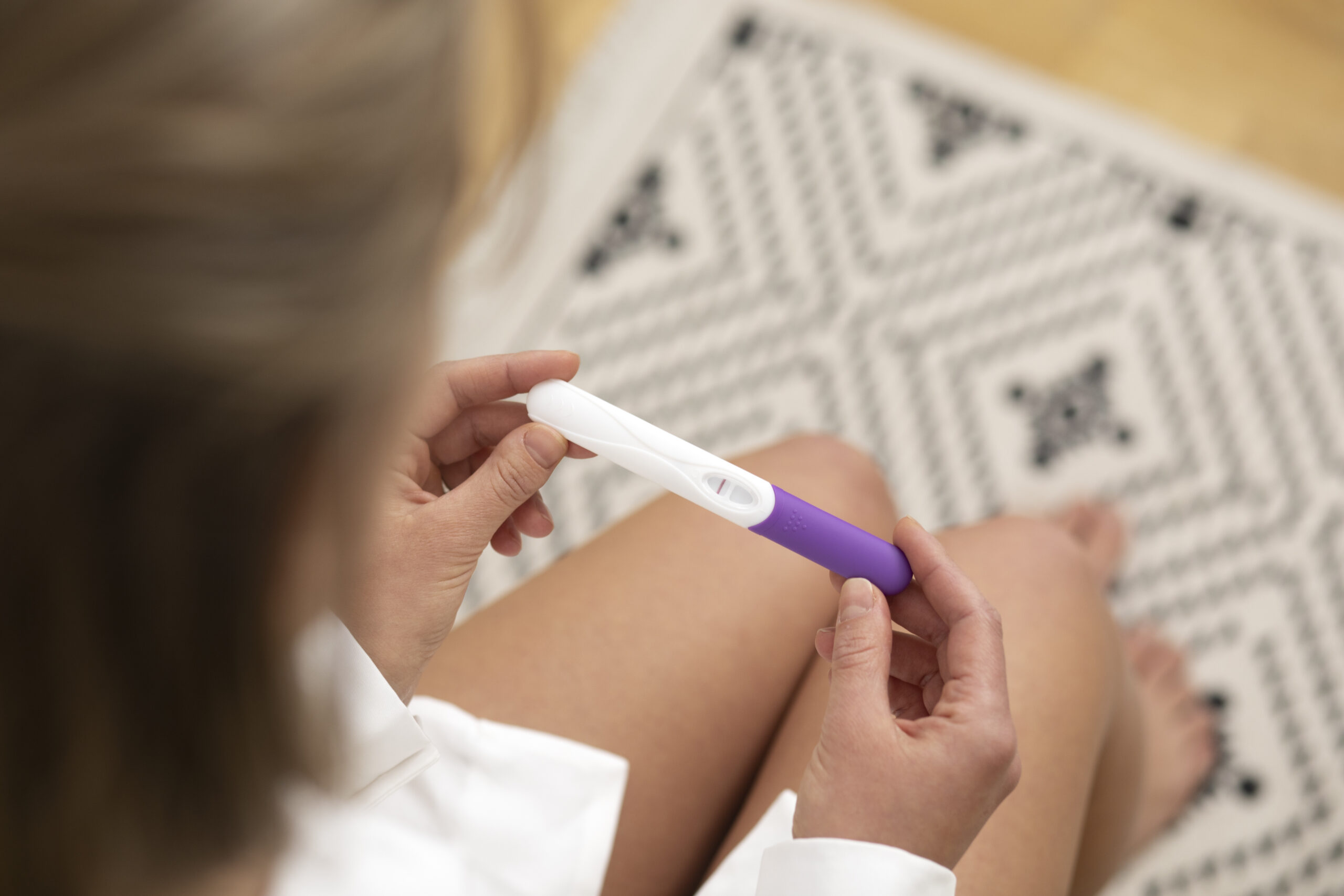
Many couples wonder, does stress or diet impact chances of getting pregnant? This is an important question for anyone trying to conceive. Both stress and diet can play a role in fertility. Understanding how these factors affect your body can help you make better choices. In this blog, we will explore what research says about stress and diet in relation to fertility. We will also share tips to help you improve your chances of getting pregnant naturally.
First, let’s look at stress and fertility. When you feel stressed, your body releases hormones like cortisol. These hormones can upset the balance needed for ovulation. In some cases, high stress may delay or even stop ovulation. For men, stress can lower sperm count and quality. According to the CDC, ongoing stress can make it harder for couples to conceive.
Some signs that stress may be affecting fertility include:Irregular periods or missed cyclesTrouble sleeping or feeling tired all the timeChanges in appetite or weightFeeling anxious or sad often
However, not all stress is bad. Short-term stress is normal and usually does not harm fertility. But, long-term or severe stress can have a bigger impact. Studies in medical journals show that women with high stress levels may take longer to get pregnant. Therefore, managing stress is important for reproductive health.
Next, let’s discuss diet and getting pregnant. What you eat can affect your chances of conception. A healthy diet supports hormone balance and egg quality. For men, good nutrition helps sperm health. The World Health Organization (WHO) recommends a balanced diet for those trying to conceive.
Key nutrients that support fertility include:Folic acid (found in leafy greens and beans)Iron (from lean meats and spinach)Omega-3 fatty acids (in fish and walnuts)Zinc (from nuts and whole grains)Vitamin D (from sunlight and fortified foods)
Moreover, research shows that diets high in fruits, vegetables, whole grains, and healthy fats can improve fertility. On the other hand, eating too much processed food, sugar, or unhealthy fats may lower your chances of getting pregnant. For example, a study in the journal Fertility and Sterility found that women who ate more plant-based foods had better fertility outcomes. So, making small changes to your diet can make a big difference.
Sometimes, stress or diet may be affecting your ability to get pregnant. But how do you know when to seek help? Watch for these signs:Trying to conceive for over a year without success (or six months if over age 35)Irregular or missed periodsUnexplained weight changesFeeling very stressed or anxious most daysKnown health issues like diabetes or thyroid problems
If you notice these signs, it is a good idea to talk to a healthcare provider. They can check for other causes and suggest ways to improve your chances. Early help can make a big difference.
There are many ways to improve fertility naturally. Here are some tips to help manage stress and eat well:Practice relaxation techniques like deep breathing or yogaGet regular exercise, such as walking or swimmingEat a balanced diet with plenty of fruits and vegetablesLimit caffeine and avoid smoking or alcoholSet a regular sleep scheduleTalk to friends, family, or a counselor if you feel overwhelmedTake a daily prenatal vitamin if trying to conceive
Additionally, making small changes each day can add up over time. Remember, both partners should focus on healthy habits for the best results.
Preventing problems before they start is always best. To reduce risk factors related to stress and diet, you can:Plan meals ahead to include key nutrientsFind healthy ways to cope with stress, like hobbies or meditationStay active but avoid over-exercisingKeep a healthy weight for your body typeSee your doctor for regular check-ups
By taking these steps, you can support your fertility and overall health. Prevention is often easier than treatment.
In summary, both stress and diet can impact your chances of getting pregnant. While some stress is normal, long-term stress may lower fertility. Likewise, a healthy diet supports your body and improves your odds of conception. If you have concerns, do not wait. Consult a healthcare specialist for personalized fertility advice.