Table of Contents
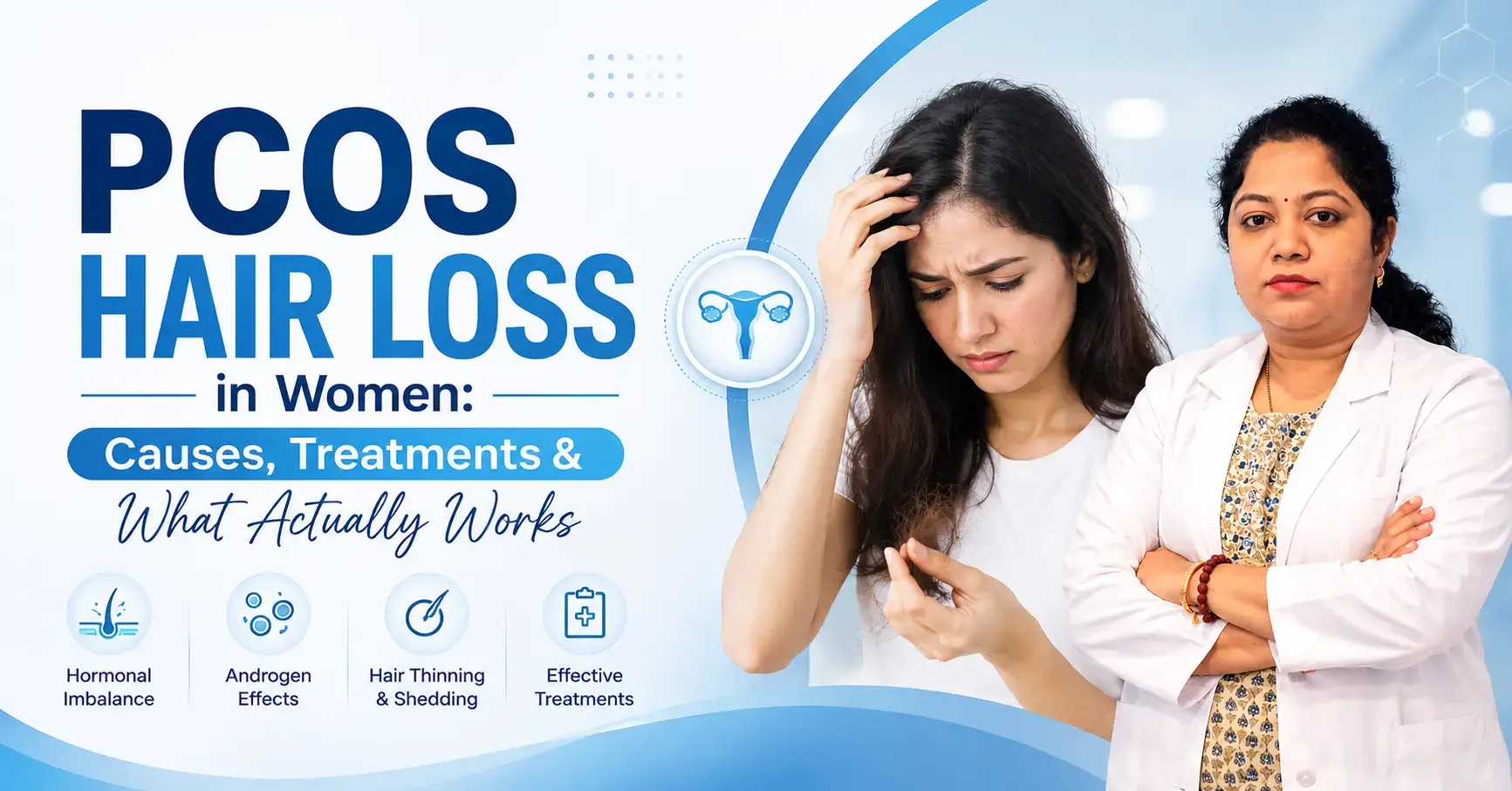
Polycystic Ovary Syndrome (PCOS) is one of the most common hormonal disorders affecting women of reproductive age. While irregular periods, weight gain, acne, and fertility issues are widely recognized symptoms, hair loss is another common but often overlooked concern.
Many women with PCOS notice gradual thinning of scalp hair, excessive shedding, or a widening part line. These changes can affect self-confidence and emotional well-being. Fortunately, understanding the root cause of hair loss can help women find effective solutions.
At Yeshil Clinics, women frequently seek medical guidance for unexplained hair thinning and discover that hormonal imbalances associated with PCOS may be contributing to the problem. Early diagnosis and appropriate treatment can significantly improve outcomes.
PCOS is a hormonal condition that affects the ovaries and can interfere with normal ovulation. Women with PCOS often produce higher-than-normal levels of androgens, which are hormones typically associated with male characteristics.
These hormonal changes can impact various aspects of health, including menstrual cycles, fertility, metabolism, skin health, and hair growth.
Hair growth follows a natural cycle consisting of growth, transition, and resting phases. Hormonal imbalances can disrupt this cycle, causing hair follicles to shrink and produce thinner strands over time.
When androgen levels remain elevated, hair follicles become more sensitive to hormonal changes, leading to gradual hair thinning.
The hormonal disturbances associated with PCOS often trigger female pattern hair loss, particularly around the crown and top of the scalp. Unlike temporary hair shedding caused by stress or illness, PCOS-related hair loss tends to progress slowly unless the underlying condition is addressed.
Understanding why PCOS causes hair loss is essential for choosing the right treatment strategy.
One of the primary reasons women experience PCOS-related hair loss is elevated androgen levels.
Testosterone can be converted into dihydrotestosterone (DHT), a hormone that affects hair follicles. Increased DHT levels may cause follicles to shrink, reducing their ability to produce thick, healthy hair.
Over time, affected follicles produce shorter, thinner hairs. This process, known as miniaturization, contributes to visible scalp thinning.
Insulin resistance is common in women with PCOS. Elevated insulin levels can stimulate the ovaries to produce more androgens, worsening hormonal imbalance and accelerating hair loss.
Research suggests that low-grade inflammation associated with PCOS may negatively affect hair follicles and scalp health.
Women with PCOS may be at greater risk of deficiencies that can contribute to hair loss.
Low iron levels can reduce oxygen delivery to hair follicles and increase hair shedding.
Vitamin D plays an important role in hair follicle function and healthy hair growth.
These nutrients support cell growth and repair, making them important for maintaining healthy hair.
PCOS hair loss typically develops gradually and may not be immediately noticeable.
Many women observe reduced hair density around the crown and top of the scalp.
A widening central part is often one of the earliest visible signs.
Increased hair accumulation on pillows, hairbrushes, and shower drains may indicate abnormal shedding.
Hair may feel noticeably thinner and less voluminous than before.
Menstrual irregularities are among the hallmark symptoms of PCOS.
Hormonal imbalances can contribute to persistent acne.
While scalp hair may thin, some women experience increased hair growth on the face and body.
Many women with PCOS struggle with weight management due to insulin resistance and hormonal changes.
One of the most frequently asked questions is whether PCOS hair loss is reversible.
The answer depends on several factors, including how early treatment begins and how effectively hormonal imbalances are managed.
In many cases, yes. Hair follicles that have not been permanently damaged can often recover once the underlying hormonal imbalance is addressed.
Women who seek treatment earlier generally have better outcomes.
Reducing androgen levels can help slow hair loss and encourage regrowth.
Healthy lifestyle habits can improve overall hormonal health and support hair recovery.
Hair regrowth is a gradual process. Most women require at least three to six months of consistent treatment before noticing visible improvements.
Successful PCOS hair loss treatment for women requires addressing the underlying hormonal imbalance rather than focusing solely on cosmetic solutions.
Managing hormone levels is often a key component of treatment. Balancing hormones may help reduce excessive androgen activity and slow hair loss progression.
Improving insulin sensitivity can reduce androgen production and support overall PCOS management.
Depending on individual needs, healthcare providers may recommend therapies designed to support hair regrowth.
Because every woman experiences PCOS differently, treatment should be personalized. At Yeshil Clinics, Dr. T. Raghu Tejaswi evaluates each patient’s symptoms, hormone profile, medical history, and reproductive goals before recommending a treatment plan.
Maintaining a healthy weight may improve hormone balance and insulin sensitivity.
Physical activity supports metabolic health and helps regulate hormone levels.
Stress can worsen hormonal imbalances and contribute to excessive shedding.
Quality sleep plays a vital role in hormonal regulation and overall wellness.
Women experiencing hair loss often require more than a one-size-fits-all solution.
A detailed assessment helps identify the hormonal factors contributing to hair loss.
Treatment plans are tailored to address individual symptoms and health goals.
Managing PCOS is an ongoing process that requires regular monitoring and lifestyle support to achieve sustainable results.
Diet plays a crucial role in managing PCOS and supporting healthy hair growth.
Hair is primarily made of protein. Including adequate protein in the diet supports hair structure and growth.
Foods such as spinach, lentils, beans, and lean meats can help maintain healthy iron levels.
Eggs, fortified dairy products, and safe sun exposure may support vitamin D levels.
Nuts, seeds, legumes, and whole grains provide important minerals that support hair health.
Low-glycemic foods, vegetables, whole grains, and healthy fats can help stabilize blood sugar levels and support hormonal balance.
Some women may benefit from supplements when deficiencies are identified.
Iron supplementation may be recommended if testing confirms low iron levels.
Correcting vitamin D deficiency can support overall health and hair follicle function.
Zinc may help support healthy hair growth when dietary intake is insufficient.
Omega-3s may help reduce inflammation and support scalp health.
Biotin may be beneficial for women with a deficiency, but it is not a universal solution for PCOS-related hair loss.
Always consult a healthcare professional before starting any supplement regimen.
Natural remedies may complement medical treatment but should not replace professional care.
Some studies suggest rosemary oil may support hair growth when used consistently.
Regular scalp massage may improve circulation and promote relaxation.
Yoga, meditation, and mindfulness practices can help manage stress levels.
While some natural approaches show promise, medical treatment remains the most effective strategy for addressing the underlying hormonal causes of PCOS hair loss.
Hair loss should not be ignored, especially when accompanied by other symptoms of PCOS.
Hormonal assessments can help identify imbalances contributing to hair loss.
Evaluating metabolic health is an important part of PCOS management.
Testing for iron, vitamin D, and other nutrient deficiencies can help guide treatment.
Early diagnosis and intervention can improve the chances of preserving healthy hair follicles and achieving successful regrowth.
Women dealing with PCOS-related symptoms require comprehensive and compassionate care.
Dr. T. Raghu Tejaswi provides evidence-based evaluation and treatment for women experiencing PCOS and related hormonal concerns.
Every patient receives individualized attention and treatment recommendations tailored to their specific needs.
From diagnosis to long-term management, Yeshil Clinics offers a holistic approach to PCOS care.
Regular follow-up and lifestyle guidance help women achieve better long-term health outcomes.
Yes. Many women experience hair regrowth when the underlying hormonal imbalance is effectively managed.
The best treatment depends on individual factors such as hormone levels, insulin resistance, and nutritional status.
Most women begin noticing improvements within three to six months of consistent treatment.
Not always. Early intervention can improve the likelihood of successful regrowth.
For women with insulin resistance, weight management may help improve hormone balance and reduce hair shedding.
Iron, vitamin D, zinc, and certain B vitamins are commonly associated with healthy hair growth.