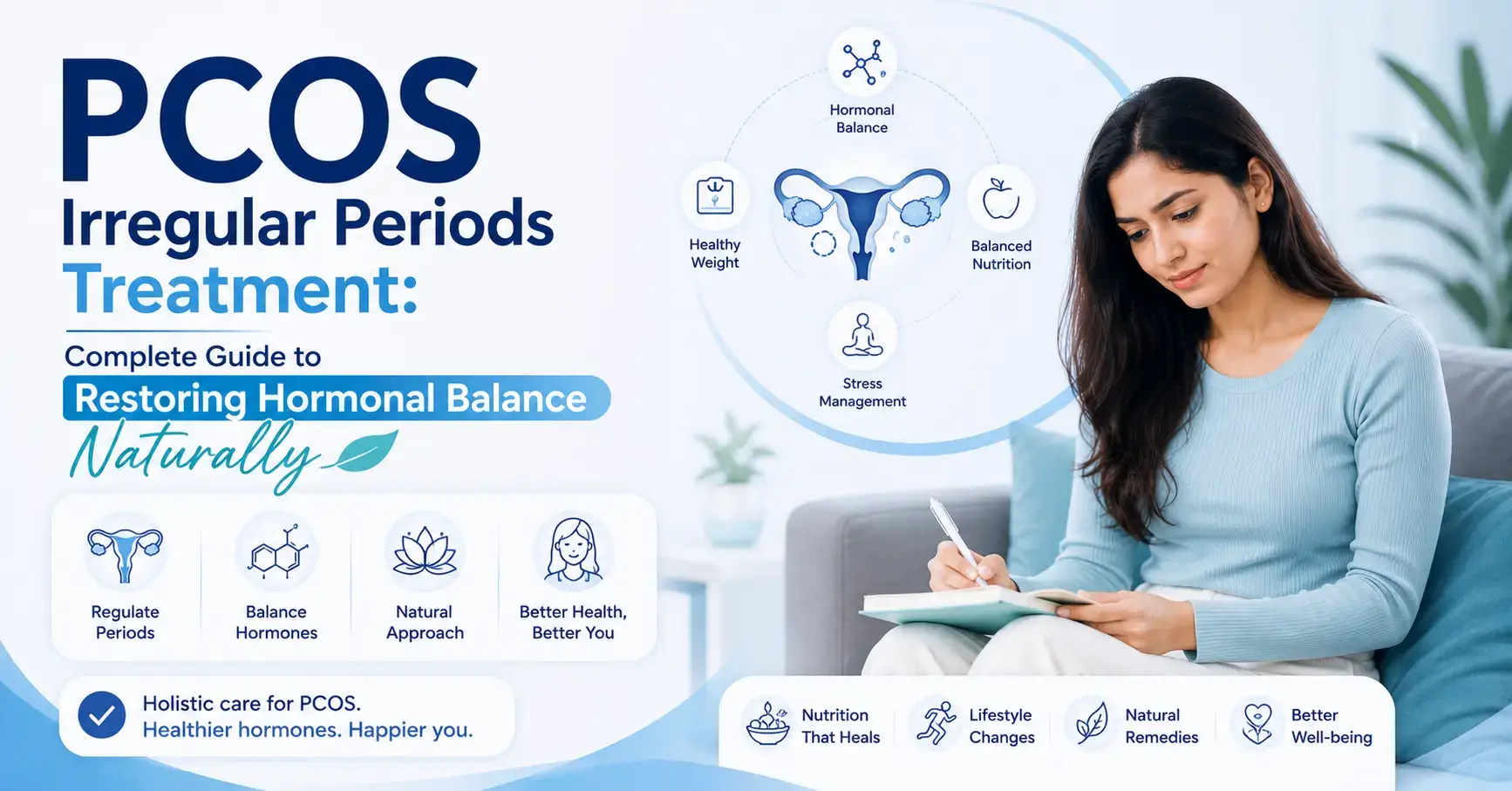
Irregular periods are one of the earliest and most common signs of Polycystic Ovary Syndrome (PCOS). Millions of women experience delayed periods, missed cycles, or unpredictable menstruation because of hormonal imbalance caused by PCOS.
If you’re searching for the best PCOS irregular periods treatment, understanding the root cause is the first step toward effective management. With the right diagnosis, personalized treatment, and lifestyle modifications, many women can regulate their menstrual cycles, improve fertility, and prevent long-term health complications.
At Yeshil Clinics, under the expert guidance of Dr. T. Raghu Thejaswi, patients receive evidence-based, personalized PCOS treatment focused on long-term hormonal health rather than temporary symptom relief.
Polycystic Ovary Syndrome (PCOS) is a hormonal disorder that affects women of reproductive age. It occurs when the ovaries produce excess androgens (male hormones), disrupting normal ovulation.
Without regular ovulation, menstrual cycles become irregular or may stop altogether.
Understanding why PCOS causes irregular menstruation helps explain why treatment focuses on restoring hormonal balance.
Women with PCOS often have:
These hormonal disturbances prevent the ovaries from releasing eggs regularly.
No ovulation means:
Besides irregular menstruation, PCOS may present with several symptoms.
Periods occurring every:
Hair growth on:
Persistent acne due to excess androgen production.
Especially around the abdomen.
Hair loss similar to male-pattern baldness.
Irregular ovulation makes pregnancy challenging.
Ignoring irregular periods is not recommended.
Long-term complications include:
The uterine lining keeps building up without regular shedding.
Lack of ovulation reduces pregnancy chances.
Insulin resistance significantly increases diabetes risk.
Women with PCOS have a greater risk of cardiovascular disease.
Common among overweight women with PCOS.
Hormonal imbalance and fertility concerns may affect emotional well-being.
Treatment depends on:
At Yeshil Clinics, treatment plans are customized after a detailed evaluation by Dr. T. Raghu Thejaswi.
This is the foundation of PCOS treatment.
Even a 5–10% reduction in body weight can improve menstrual regularity in many women.
Depending on your individual needs, your doctor may recommend medications to:
Medication should always be prescribed and monitored by a qualified healthcare professional.
A personalized nutrition plan can improve hormone balance.
Recommended foods include:
Avoid excessive intake of:
Healthy weight reduction helps:
Women planning pregnancy may require ovulation induction and fertility-focused management under specialist supervision.
At Yeshil Clinics, fertility planning is individualized based on your reproductive goals.
Aim for:
Chronic stress can worsen hormonal imbalance.
Helpful techniques include:
Aim for 7–9 hours of quality sleep every night.
A PCOS-friendly diet emphasizes nutrient-dense foods.
Include
Limit
The most effective workout routine combines
Builds muscle and improves insulin sensitivity.
Supports stress reduction and hormonal balance.
Many women with PCOS successfully conceive with proper treatment.
Early diagnosis and appropriate management can improve ovulation and pregnancy outcomes.
Consulting a specialist before attempting pregnancy can help optimize fertility.
You should seek medical evaluation if you experience:
Early diagnosis can help reduce the risk of future complications.
Choosing the right healthcare provider is essential for long-term PCOS management.
Every patient receives an individualized treatment plan based on symptoms, medical history, and future pregnancy goals.
Management follows current clinical guidelines and focuses on sustainable outcomes.
Yeshil Clinics provides integrated care that includes diagnosis, lifestyle counseling, menstrual health management, and fertility guidance when needed.
Regular monitoring helps track progress and adjust treatment as your needs change.
Dr. T. Raghu Thejaswi is dedicated to providing patient-centered care with a focus on women’s hormonal health and reproductive wellness.
His approach emphasizes:
Patients at Yeshil Clinics benefit from a structured, evidence-based approach designed to improve menstrual health, hormone balance, and overall well-being.
Can PCOS irregular periods become regular?
Yes. With appropriate treatment, healthy lifestyle changes, and medical supervision, many women achieve more regular menstrual cycles.
Is PCOS curable?
PCOS is a long-term condition that can be effectively managed. Treatment focuses on controlling symptoms, improving hormone balance, and reducing health risks.
Can weight loss help regulate periods?
For many women with PCOS who are overweight, even modest weight loss can improve insulin sensitivity and support more regular ovulation.
Is PCOS the same for every woman?
No. Symptoms and treatment plans vary. Personalized evaluation is important to determine the most appropriate management strategy.
When should I see a doctor for irregular periods?
If your periods are consistently irregular, absent for several months, unusually heavy, or accompanied by symptoms such as excess hair growth or difficulty conceiving, you should consult a healthcare professional.
Living with PCOS can be challenging, but irregular periods do not have to become your normal. Timely diagnosis, evidence-based treatment, healthy lifestyle habits, and ongoing medical support can significantly improve menstrual regularity, hormonal balance, and reproductive health.
If you are experiencing irregular periods, unexplained weight gain, acne, or fertility concerns, seeking expert evaluation is an important first step.
At Yeshil Clinics, Dr. T. Raghu Thejaswi provides personalized PCOS care that addresses the underlying hormonal imbalance while supporting each patient’s long-term health goals. With a comprehensive approach that combines medical expertise, lifestyle guidance, and continuous follow-up, patients receive care tailored to their unique needs.