
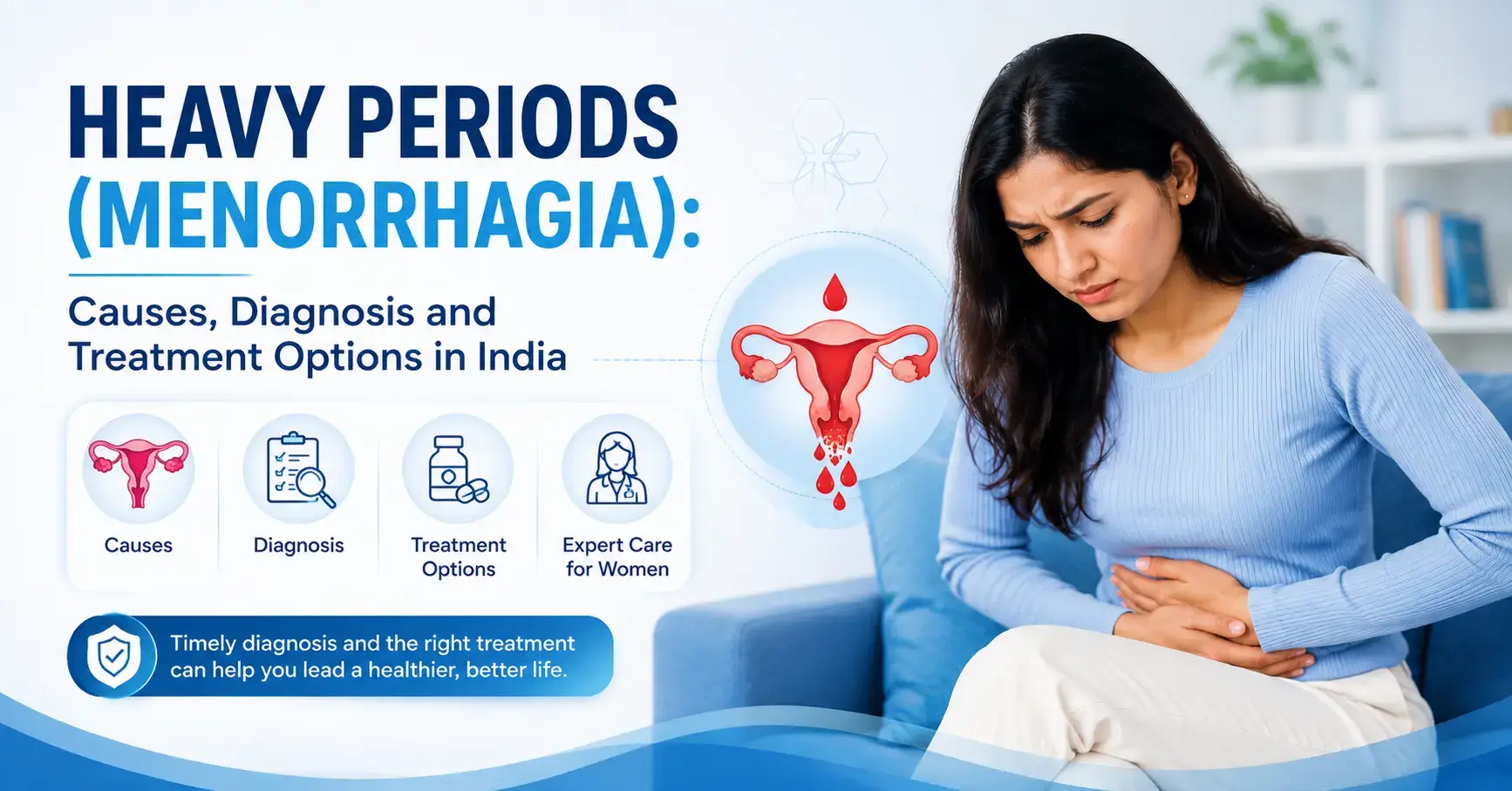
Heavy menstrual bleeding, medically known as menorrhagia, is one of the most common gynecological concerns affecting women of reproductive age. While many women assume that heavy periods are a normal part of life, excessively heavy bleeding can significantly impact daily activities, work, emotional well-being, and overall health. In some cases, it may also indicate an underlying medical condition that requires prompt diagnosis and treatment.
If you’re searching for the most effective heavy periods treatment India, understanding the causes, symptoms, and available treatment options is the first step toward better reproductive health.
India has witnessed significant advancements in women’s healthcare, with access to experienced gynecologists, advanced diagnostic facilities, minimally invasive procedures, and personalized treatment plans. Early consultation with an experienced gynecologist can help identify the root cause of heavy menstrual bleeding and prevent complications such as anemia, chronic fatigue, infertility, or recurrent menstrual disorders.
At Yeshil Clinics, Manikonda, Hyderabad, women receive comprehensive evaluation and evidence-based treatment for menstrual disorders under the expert care of Dr. T. Raghu Thejaswi, an experienced Obstetrician and Gynecologist dedicated to providing compassionate, personalized care for women at every stage of life.
Heavy periods, or menorrhagia, refer to menstrual bleeding that is unusually heavy, prolonged, or both. While menstrual flow naturally varies among women, bleeding that interferes with normal daily activities should not be ignored.
Generally, heavy menstrual bleeding may involve:
Many women tolerate these symptoms for years without realizing effective treatments are available. Seeking timely medical advice can significantly improve quality of life and reproductive health.
A normal menstrual cycle typically occurs every 21 to 35 days, with menstrual bleeding lasting approximately 3 to 7 days. The average blood loss during menstruation ranges from 30 to 80 milliliters.
During a healthy menstrual cycle:
When hormonal balance is disrupted or structural abnormalities develop within the uterus, menstrual bleeding may become significantly heavier than normal.
Heavy menstrual bleeding can present differently in every woman. Some experience consistently heavy flow, while others notice sudden changes in their menstrual pattern.
Common symptoms include:
Women may soak through one sanitary pad or tampon every hour for several consecutive hours.
Bleeding lasting more than seven days often requires medical evaluation.
Frequent passage of clots larger than a coin may indicate abnormal uterine bleeding.
Continuous blood loss often results in iron-deficiency anemia, causing:
Some women experience severe cramping or persistent pelvic discomfort associated with heavy bleeding.
Heavy periods can interfere with:
Heavy menstrual bleeding is a symptom rather than a disease itself. Identifying the underlying cause is essential for selecting the most effective heavy periods treatment India has to offer.
Hormones regulate the menstrual cycle. Any imbalance involving estrogen or progesterone can lead to excessive thickening of the uterine lining, resulting in heavier bleeding.
Hormonal imbalance commonly occurs in:
Fibroids are non-cancerous growths within the uterus that commonly affect women during their reproductive years.
Symptoms may include:
Adenomyosis develops when the uterine lining grows into the muscular wall of the uterus.
Women often experience:
Polyps are small growths arising from the uterine lining.
Although benign in most cases, they may cause:
Women with PCOS frequently experience irregular ovulation, leading to hormonal imbalance and unpredictable heavy bleeding episodes.
Other symptoms include:
Both hypothyroidism and hyperthyroidism may interfere with menstrual hormone regulation, resulting in abnormal bleeding.
Certain inherited clotting disorders may cause excessive menstrual bleeding from adolescence.
Women with unexplained heavy periods from a young age should undergo appropriate evaluation.
Although commonly associated with painful periods, endometriosis can also contribute to heavy menstrual bleeding in some women.
Heavy bleeding during pregnancy should always be treated as a medical emergency until evaluated by a healthcare professional.
Possible causes include:
Some medications may increase menstrual bleeding, including:
Several factors increase the likelihood of experiencing menorrhagia.
Risk factors include:
Understanding these risk factors enables early diagnosis and timely intervention.
Many women delay seeking treatment because they believe heavy periods are normal. However, persistent heavy bleeding should never be ignored.
Consult a gynecologist if you experience:
Early medical evaluation helps detect conditions before complications develop.
An accurate diagnosis is the foundation of successful treatment. Your gynecologist will carefully assess your symptoms, menstrual history, medical history, and overall health before recommending appropriate investigations.
The evaluation may include:
Your doctor may ask about:
Keeping a menstrual diary before your consultation can provide valuable information.
A thorough examination helps identify signs of:
Laboratory investigations may include:
These tests help determine whether heavy bleeding has caused anemia or whether an underlying hormonal or systemic condition is contributing to the problem.
Ultrasound is one of the most important imaging tests for evaluating heavy menstrual bleeding. It allows the gynecologist to assess the uterus, ovaries, and surrounding pelvic organs for conditions such as fibroids, adenomyosis, ovarian cysts, or endometrial thickening.
The best heavy periods treatment India offers depends entirely on the underlying cause, your age, the severity of bleeding, your overall health, and whether you plan to have children in the future. Rather than focusing only on controlling symptoms, an experienced gynecologist aims to identify and treat the root cause to provide long-term relief.
At Yeshil Clinics, Manikonda, Hyderabad, Dr. T. Raghu Thejaswi follows a personalized treatment approach after a comprehensive evaluation, ensuring every patient receives care tailored to her individual needs.
For many women, medication is the first line of treatment and can effectively reduce heavy menstrual bleeding.
Pain-relieving medications such as ibuprofen or mefenamic acid can help reduce menstrual cramps while also decreasing blood loss in some women.
Tranexamic acid is commonly prescribed during menstruation to reduce excessive bleeding. It works by helping blood clot more effectively and is often recommended for women with heavy periods who do not wish to use hormonal treatments.
Heavy menstrual bleeding can lead to iron-deficiency anemia. Iron supplementation helps restore healthy iron levels, improve energy, and reduce symptoms such as fatigue, dizziness, and weakness.
Hormonal medications help regulate the menstrual cycle and reduce excessive bleeding by controlling the growth of the uterine lining.
Treatment options may include:
Hormonal therapy is particularly beneficial for women whose heavy periods are caused by hormonal imbalance, irregular ovulation, or conditions such as PCOS.
One of the most effective long-term treatments for heavy menstrual bleeding is the hormonal intrauterine system (commonly known as the hormonal IUCD).
Benefits include:
Many women notice a substantial reduction in menstrual flow within a few months after insertion.
If uterine fibroids are responsible for heavy bleeding, treatment depends on their size, number, and location.
Options may include:
The choice of treatment is individualized based on the patient’s symptoms and reproductive goals.
Hysteroscopy is a minimally invasive procedure that allows the gynecologist to examine the inside of the uterus using a thin camera.
It helps diagnose and treat:
Because hysteroscopy often serves both diagnostic and therapeutic purposes, many women experience symptom relief after the procedure.
Women who have completed their families and continue to experience severe heavy periods despite medication may benefit from endometrial ablation.
This procedure destroys the uterine lining responsible for menstrual bleeding, leading to lighter periods or, in some cases, the complete absence of menstruation.
A hysterectomy involves the surgical removal of the uterus and is generally considered when:
It is usually recommended only after careful discussion of the benefits, risks, and alternatives.
Medical treatment is often complemented by healthy lifestyle habits that support overall reproductive health.
Women experiencing heavy periods should consider:
While lifestyle changes alone may not cure heavy periods, they can reduce complications and improve overall well-being.
Heavy menstrual bleeding itself does not always cause infertility. However, some of the underlying conditions responsible for menorrhagia may affect fertility if left untreated.
Examples include:
Early diagnosis and timely treatment can improve both menstrual health and future fertility outcomes.
When it comes to women’s health, choosing an experienced gynecologist and a trusted healthcare center makes a significant difference.
At Yeshil Clinics, women receive comprehensive care for menstrual disorders through a patient-centered approach focused on accurate diagnosis, personalized treatment, and long-term wellness.
Patients choose Yeshil Clinics because of:
Whether your symptoms are caused by hormonal imbalance, fibroids, adenomyosis, or another condition, the team at Yeshil Clinics works closely with you to determine the most appropriate treatment plan.
Dr. T. Raghu Thejaswi is an experienced Obstetrician and Gynecologist dedicated to providing comprehensive women’s healthcare. She specializes in diagnosing and managing a wide range of gynecological conditions, including heavy menstrual bleeding, irregular periods, PCOS, fibroids, infertility, menopause-related concerns, and high-risk pregnancies.
With a patient-first approach, Dr. Thejaswi emphasizes detailed clinical evaluation, evidence-based treatment, and compassionate care. She believes in educating women about their health, empowering them to make informed decisions, and developing personalized treatment plans based on each patient’s unique medical needs and lifestyle.
Her expertise in minimally invasive gynecological procedures and modern treatment approaches enables many women to receive effective care while minimizing recovery time and improving long-term outcomes.
Is heavy menstrual bleeding normal?
Occasionally experiencing a heavier period may not be a cause for concern. However, consistently heavy bleeding that interferes with daily life should be evaluated by a gynecologist.
What is considered a heavy period?
Bleeding that lasts more than seven days, requires changing sanitary protection every one to two hours, or involves passing large blood clots may indicate menorrhagia.
Can stress cause heavy periods?
Stress can affect hormone levels and menstrual cycles, but persistent heavy bleeding should always be evaluated to rule out underlying medical conditions.
Which doctor should I consult for heavy periods?
A qualified Obstetrician and Gynecologist is the appropriate specialist to diagnose and treat heavy menstrual bleeding.
Can fibroids cause heavy bleeding?
Yes. Uterine fibroids are among the most common causes of heavy menstrual bleeding in women of reproductive age.
Are heavy periods treatable without surgery?
Yes. Many women respond well to medications, hormonal therapy, or minimally invasive procedures. Surgery is usually considered only when conservative treatments are ineffective or unsuitable.
Can heavy periods lead to anemia?
Yes. Ongoing excessive blood loss can reduce iron levels, leading to iron-deficiency anemia, fatigue, dizziness, and weakness.
When should I seek emergency medical care?
Seek immediate medical attention if you experience extremely heavy bleeding that soaks through sanitary protection every hour for several consecutive hours, severe dizziness, fainting, or symptoms of significant blood loss.
Heavy menstrual bleeding is more than just an inconvenience—it can affect your physical health, emotional well-being, work, and overall quality of life. Fortunately, with advances in gynecological care, effective heavy periods treatment India is widely available.
The key to successful treatment lies in identifying the underlying cause through a comprehensive medical evaluation. Whether the bleeding is due to hormonal imbalance, fibroids, adenomyosis, polyps, or another condition, early diagnosis allows for timely and appropriate treatment, helping women regain confidence and improve their overall health.
If your periods are unusually heavy, prolonged, or accompanied by symptoms such as fatigue, dizziness, or severe pain, do not ignore them. Consulting an experienced gynecologist can help prevent complications and provide lasting relief.
At Yeshil Clinics, Manikonda, Hyderabad, Dr. T. Raghu Thejaswi offers compassionate, evidence-based care for women experiencing heavy menstrual bleeding and other gynecological concerns. With personalized treatment plans and a commitment to patient-centered care, the clinic strives to support every woman in achieving better reproductive health.
Book your consultation today at Yeshil Clinics and take the first step toward healthier, more comfortable menstrual health with expert guidance from Dr. T. Raghu Thejaswi.